With the number of COVID cases in India still rising, we are pleased to bring news of how the programmes you are funding are making a real difference.
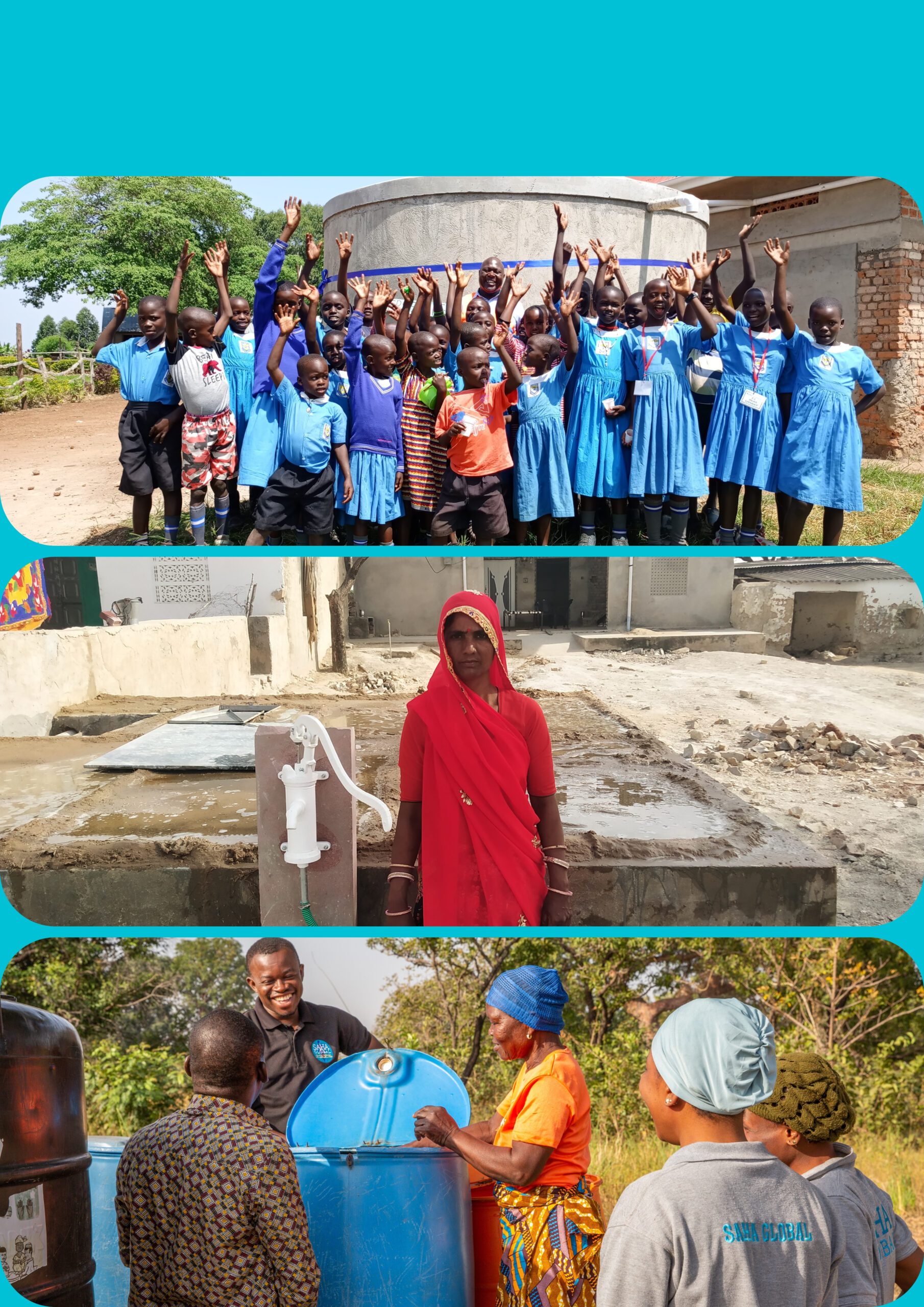
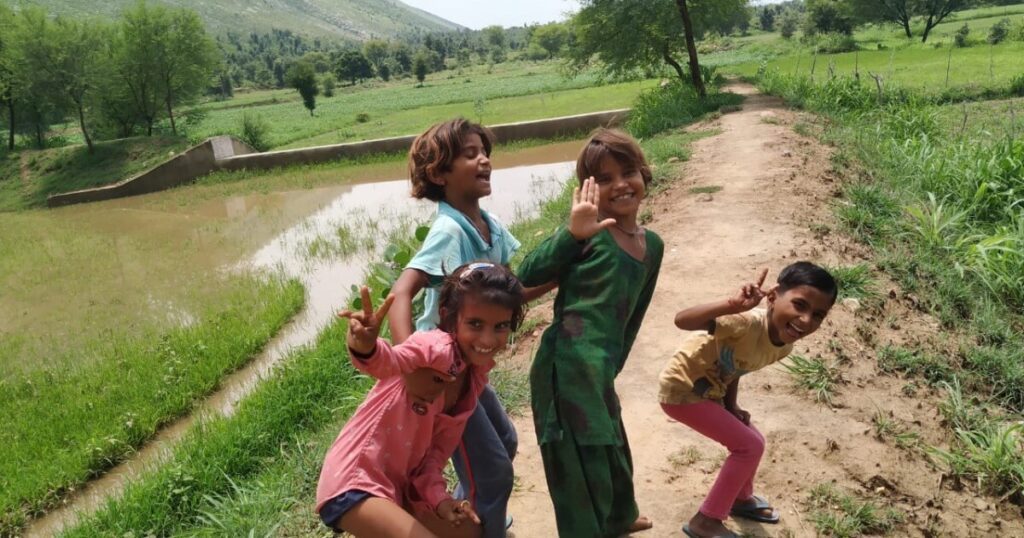
Never before has it been quite so important to have access to clean water, better hygiene and sanitation than during this pandemic. These images show how the programmes you have funded over the last few years have helped to catch and store the monsoon rains and bring smiles to the faces of people living in remote regions. This anicut in Gopalpura village, constructed over four years ago, has filled up with the recent monsoon rains. For the children living in these remote villages, these water bodies and greenery are a wonderful place to go and enjoy nature as all the schools have been closed for over four months now.

Making people water self sufficient
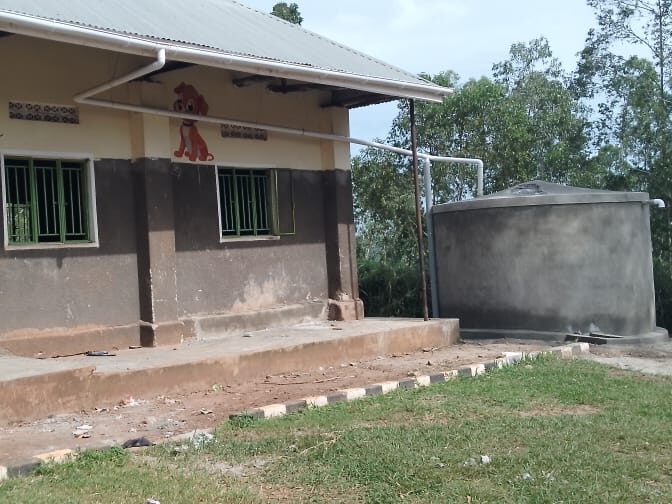
The image below was taken recently in Dholarvira, Gujarat. Lifting the lid on one of our roof rainwater harvesting tanks (built three years ago), it is very encouraging to see how much water is already in the tank. Roof rainwater harvesting tanks are a simple, sustainable way to catch and store the monsoon rains and enable families to be water self sufficient.

Farmers with drip irrigation systems able to feed their families
As we all know, the COVID situation is impacting livelihoods, not just lives. Many of the communities we work in have seen an increase in numbers as many migrants return to their villages as a result of the lock down. This has increased pressure on the already limited supply of food and water. As this newspaper article shows, these irrigation systems have made a significant difference to the farmers during the pandemic by not only enabling them to earn an income but also provide their family with fresh vegetables throughout this time.

Going digital
With the COVID situation preventing travel out to the programme areas, we are now holding our meetings with field workers and beneficiaries online. This photo shows our team having a meeting with a village group and partner NGO Prayas Kendra Sansthan.

We always want to hear from you – any ideas, thoughts or comments are welcome. Please stay in touch.