April 2018
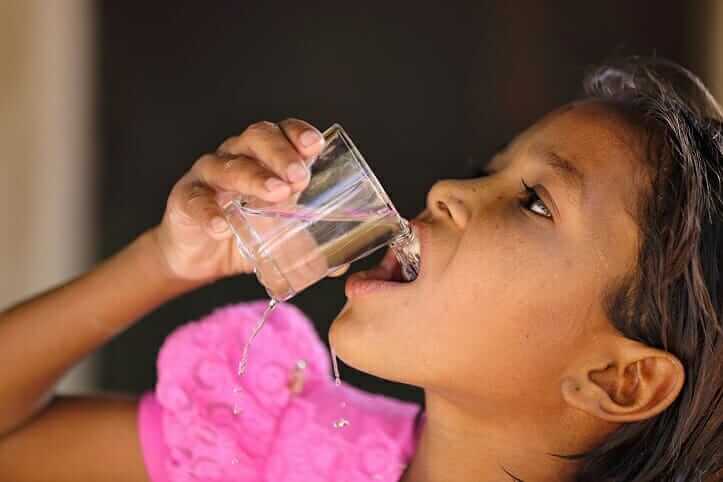
The availability and accessibility of potable water in the Jaipur District has been a distressing issue for its people in recent years. Following chronic and persistent droughts, water vulnerability has dictated the lives of these marginalised communities, crippling educations and livelihoods alike. Within the Jaipur District, the Dudu block in particular suffers; the area has seen 24 severe droughts since the independence of India in 1947, an illustration of the extreme water scarce conditions. Situated near the Sambhar Salt Lake, the ground water in the Dudu block is also pervaded with high salinity and fluoride. Although incredibly dangerous for both humans and cattle to consume, it is inescapable in the absence of an alternative supply. These marginalised communities must take the risk in order to survive.
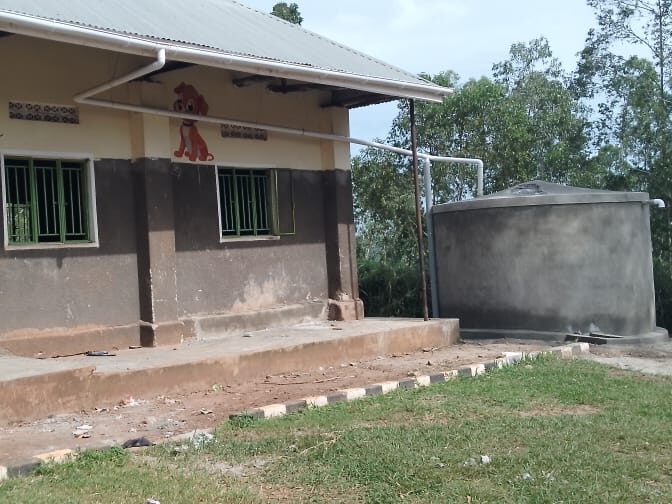
Living each day with uncertainty over a basic human need, these communities are left socially and economically vulnerable. Deprived of an invaluable resource, it is crucial that these communities can gain access to a sustainable water source to aid development in these regions. In 2013 we partnered with Prayas Kendra Sansthan (PKS) to address such issues, conducting a pilot project in Charasada Village. After recognising great success, we once again collaborated with PKS in January 2017 to upscale the project and implement this across three villages of the Dudu block. The project aims to improve the conditions for those within this perennial water scarce area, providing these rural communities with access to safe and sustainable water supplies. To achieve this, our project sets out to construct 120 Roof Rainwater Harvesting Structures (RRWHS), which will provide more than 700 people access to safe water.
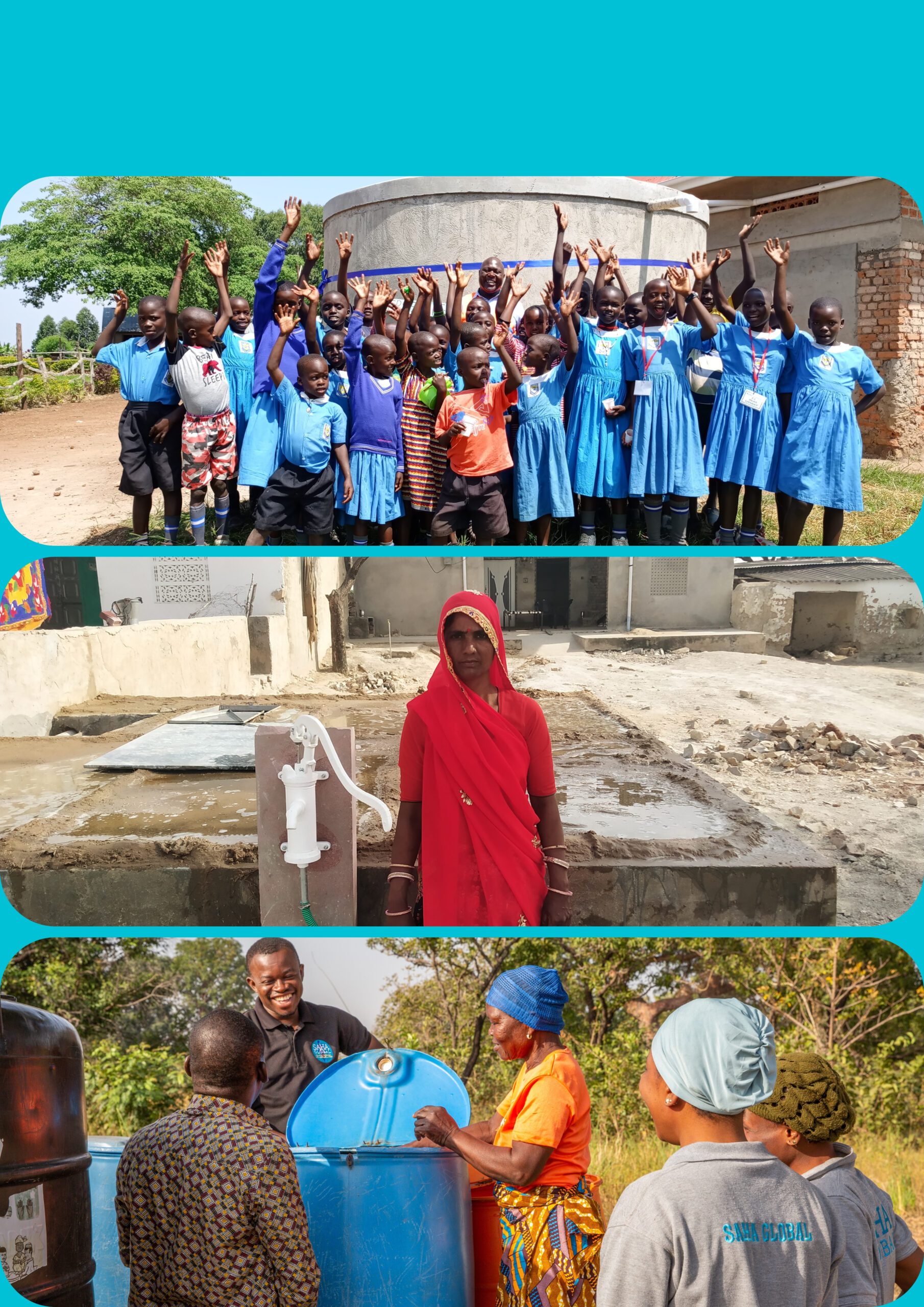
 The project is continuing to gain momentum and is now past the half way mark, with 61 Rainwater Harvesting Systems fully completed. Transforming the lives of these marginalised families, a RRWHS can help these suffering individuals gain back control of their health, education and livelihood. During a recent visit to one of the project villages, our Trustee Max Wilson was able to speak to one beneficiary, Bhuri Devi, a widow from Charasada Village. This remarkable lady was previously forced to walk more than 5km twice per day to collect water, spending over 4 hours a day searching for a basic human need. Even after this relentless, back-breaking work, the only water available was saline. Now, after the successful construction of her RRWHS, Bhuri Devi has been released from her duties, meaning she can focus on both her and her family’s future. She has since created a vegetable garden where she grows spinach, radishes, fennel and garlic, collecting grey water from washing and household tasks to irrigate her vegetables. Without having to walk these perilous distances each day, Bhuri Devi is also spending her time sewing clothes and bedding for her family, something she has struggled to provide in recent years. It is refreshing when we see such a favourable impact on the lives of these families and Bhuri Devi’s is only one of the 120 families we want to support throughout this project.
Once all 120 RRWHS have been constructed, more than 700 people will gain access to a safe and sustainable water source. Although it is a step in the right direction, there is still much more to be done to tackle water vulnerability in these regions. These people need more help.
If you would like to support the project then please donate by selecting the button below. Any donation can go a long way in helping these unprivileged families.