This is an important update from the Chair of WaterHarvest’s Board of Trustees, Fiona Beukes:
Like other UK charities, WaterHarvest has a Board of Trustees (the Board) who act as the governing body, with legal and financial responsibility for the charity. The Board determines strategic direction, with operational leadership of the charity delegated to the Chief Executive Officer (CEO).The Board have made the difficult decision to close WaterHarvest during our 40th anniversary year in 2027.
Why WaterHarvest is closing
Although we appreciate this is sad news, our 40th anniversary feels like an appropriate milestone to bring the charity to a close and we have much to celebrate from our four decades of rainwater harvesting:
- With the kind support of our donors, we are proud to have brought water security to over two million people living in the driest regions of Rajasthan and Gujarat.
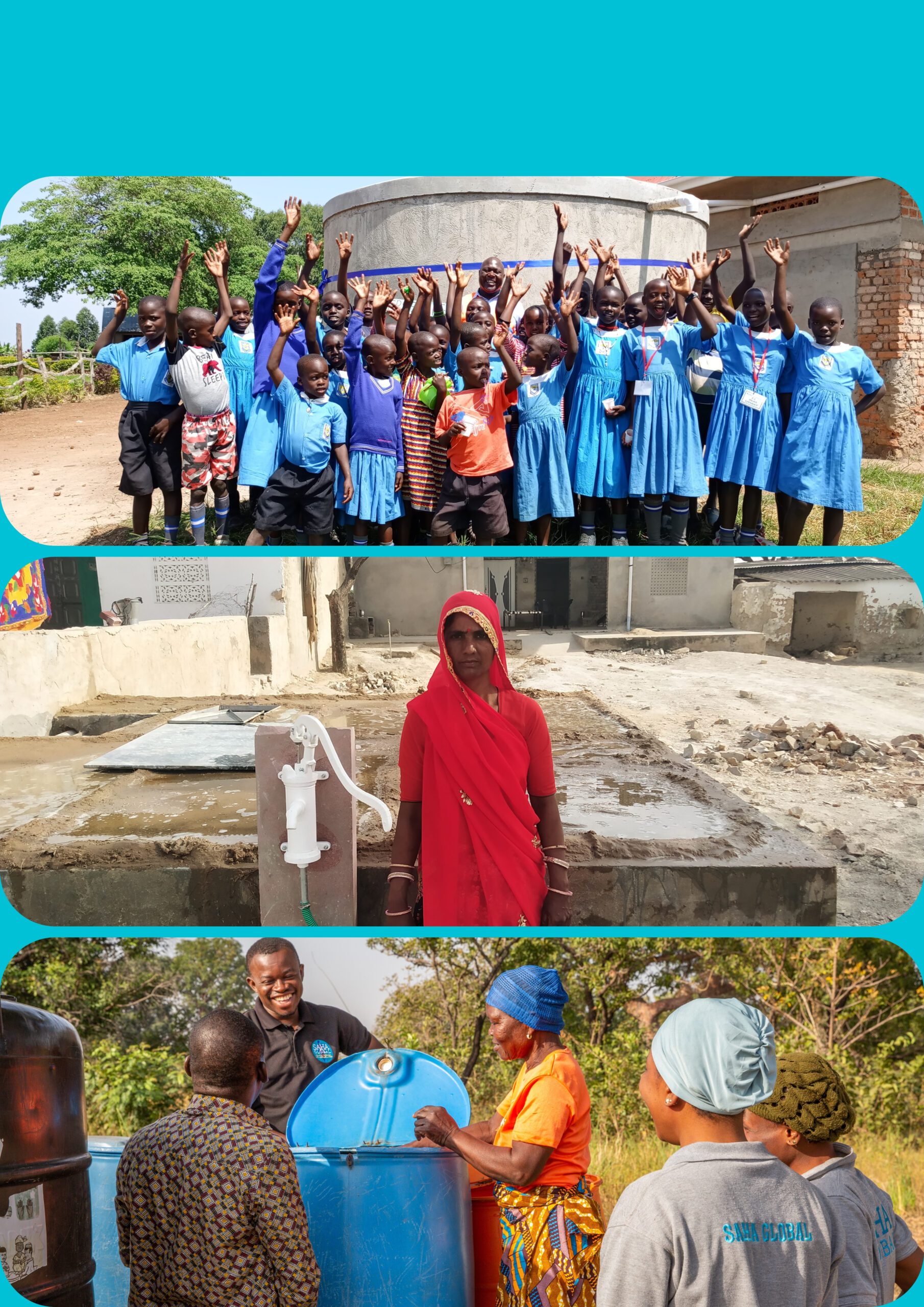
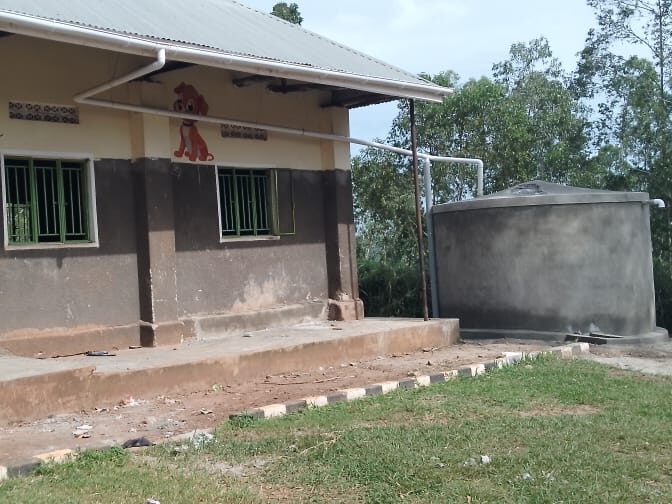
- In recent years we expanded our work to remote communities in Ghana and also Uganda, where our hugely successful first school tanks programme provided clean water to over 10,000 pupils and staff.
- We take great pride in having always delivered our work in partnership with local organisations deeply rooted in their communities. Importantly, in addition to providing funding and employment, we have also helped deepen and develop skills. It has been a privilege to see so many of our partners flourish, enabling them to expand their work and create new employment opportunities.
The WaterHarvest UK office will close in December 2026. The closure procedure of the organisation is complex and lengthy as separate legal processes are required for Companies House and the Charity Commission, which will take place throughout late 2026 and early 2027.
When & how should you stop donating
We are committed to delivering our new second school tanks programme in Uganda as planned – this is due to complete in August 2026 and we are confident that enough funds will be raised.
We therefore kindly request that all donors refrain from donating to WaterHarvest from July 1 2026 onwards:
➔ WaterHarvest will cancel all Direct Debits and Recurring Card Payments from July 1 2026 onwards, but you may wish to also contact your bank to do so.
➔ WaterHarvest is unable to cancel Standing Orders and CAF payments. Please ensure you contact your bank/CAF to cancel any payments scheduled from July 1 2026 onwards.
➔ If you have detailed WaterHarvest as a beneficiary in your Will, please seek advice from a solicitor or Will writer to support you with removing the charity from your Will at your earliest convenient opportunity. Please note that legally this is not something WaterHarvest can help you with.
** AUGUST 2026 UPDATE **
We completed our Uganda programme in July 2026, building 37 tanks bringing water to over 7,000 pupils at 10 schools. We are so grateful to the many funders & donors that supported this work, thank you.
Thank you
Our rainwater harvesting programmes have generated a range of powerful impacts far beyond clean water – helping to improve health, reduce poverty, build climate change resilience and free girls from water procurement to attend school. We couldn’t have delivered this without our supporters, we are so grateful to everyone who has joined us on this exciting journey.
We have produced a ‘Frequently Answered Questions’ document which explains more about our closing – if you would like a copy please let me know via boardchair@water-harvest.org
On behalf of the Board, I would like to thank everyone who has supported WaterHarvest over the years – with your help we have created a lasting ongoing legacy across hundreds of communities.

Fiona Beukes
Chair, Board of Trustees