 Leaving No-one Behind
 Leaving No-one Behind
Today is World Water Day
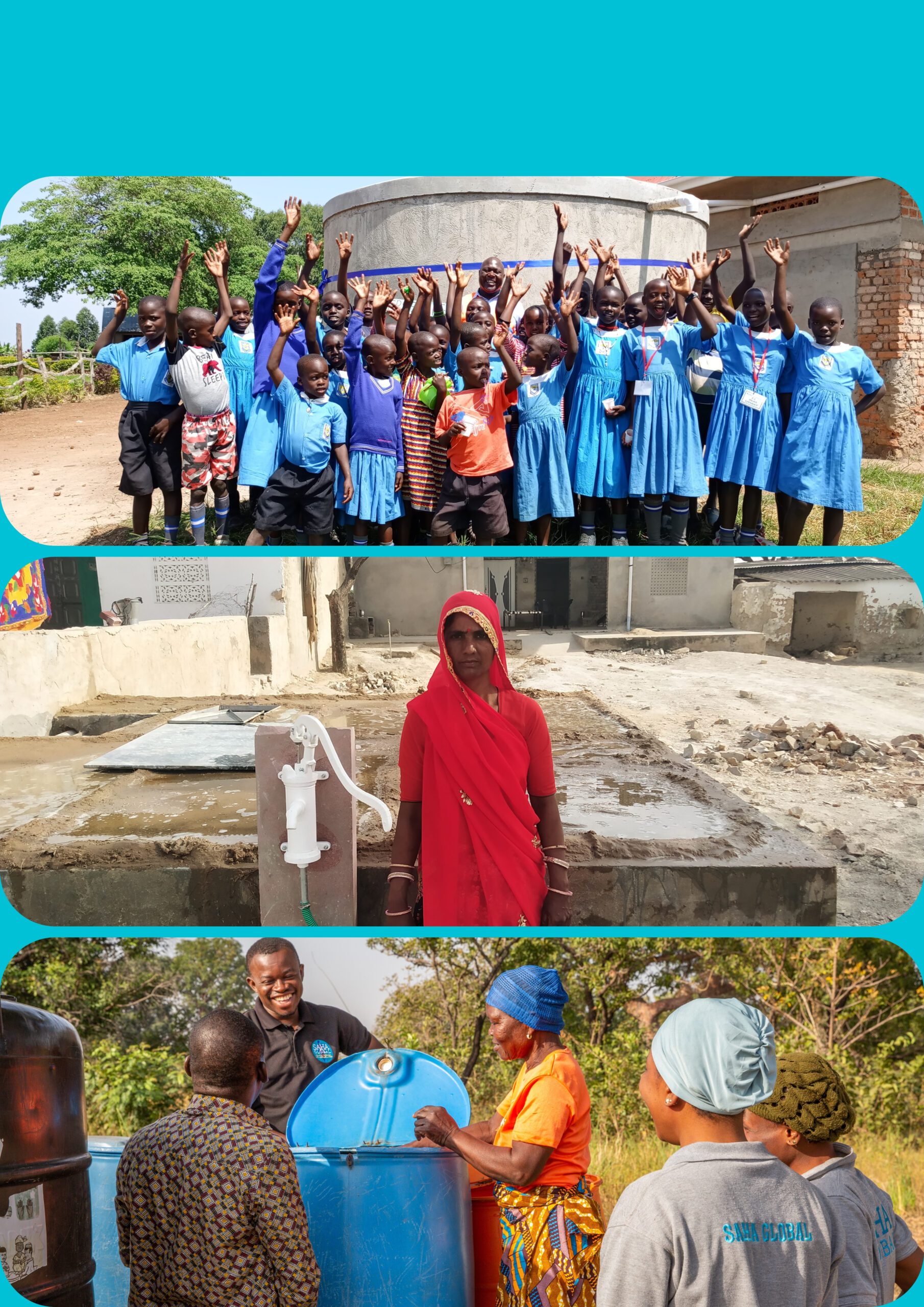
22nd March marks World Water Day: a UN initiative which provides the opportunity for countries around the globe to appreciate the value of life-giving water, learn about water-related and sustainability issues and encourage people to take action. This year’s theme is ‘leaving no-one behind’, highlighting how people are often being disadvantaged in their ability to access water because of, for instance, their sex or disability. It is vital that everyone’s basic human right of access to safe water and sanitation is realised, as fresh water is essential for life, in terms of health, food, jobs and hygiene. At WaterHarvest, we recognise the importance of everyone having access to clean, sustainable water.
Water sustainability is an issue everywhere
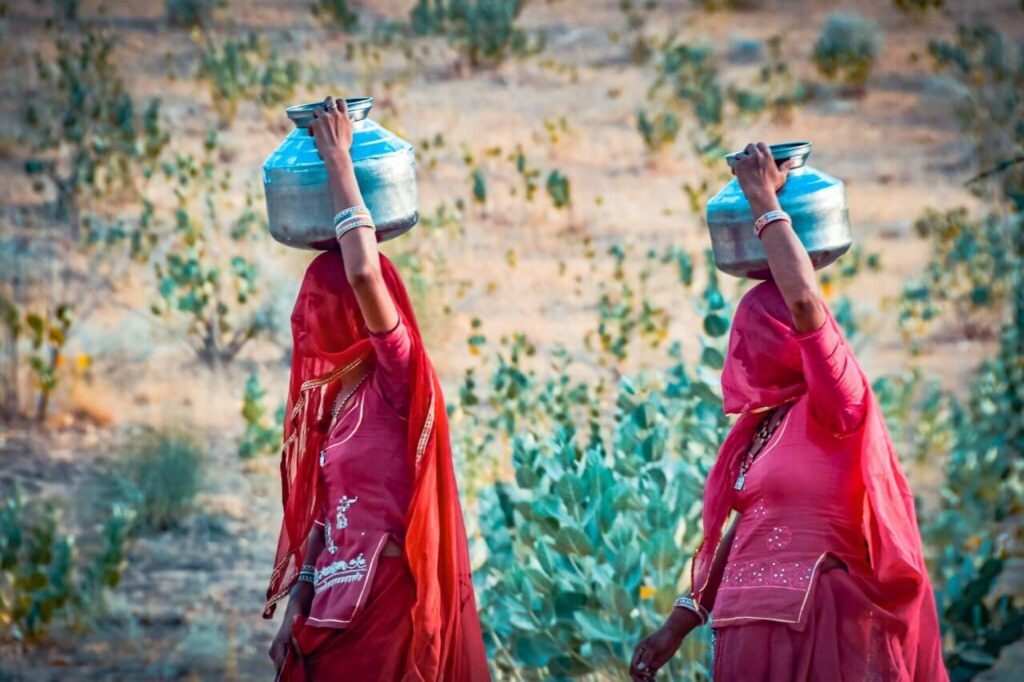
This week, the UK Environment Agency warned that, due to climate change and population growth, England will not have enough water to meet demand within 25 years. Yet the fact remains that, in the UK, water is something we take for granted. Each British person uses an average of 140 litres of water a day, which is a staggering amount when you consider that around 844 million people around the world are living without access to clean water. In Rajasthan, such scarcity of water affects communities on a number of levels; severe droughts limit crop growth, which, in turn, results in poor incomes for agricultural workers. Men are more likely to move towards towns and cities in search of better jobs, whilst the women and girls remain to gather water and perform manual labour, at the expense of their education. Not only is the family unit broken down, but they become trapped within a cycle of poverty that, without water management solutions, is hard to break free from.

Improving water use efficiency
There are four billion who endure a severe water famine for at least one month annually. For the people of Rajasthan, however, this is a year-round issue, as they only receive rain during the brief monsoon season each summer, which is unpredictable at best. But this issue can be overcome if rainwater is harvested efficiently and local people are educated about water conservation. In addition, solutions like drip irrigation are invaluable methods by which water can be preserved. Unlike flood irrigation, which wastes a great deal of water on the surrounding earth and promotes the growth of weeds, drip irrigation systems provide a small, steady supply of water to crops, making it a highly efficient method of preserving precious water. This results in higher crop yields and better incomes for families. Women and girls, too, can spend fewer hours tending to fields, allowing them to focus on their education and family time. Such creative solutions therefore affect everyone in a community and help guarantee everyone’s right to safe water.
Help us to leave no-one behind
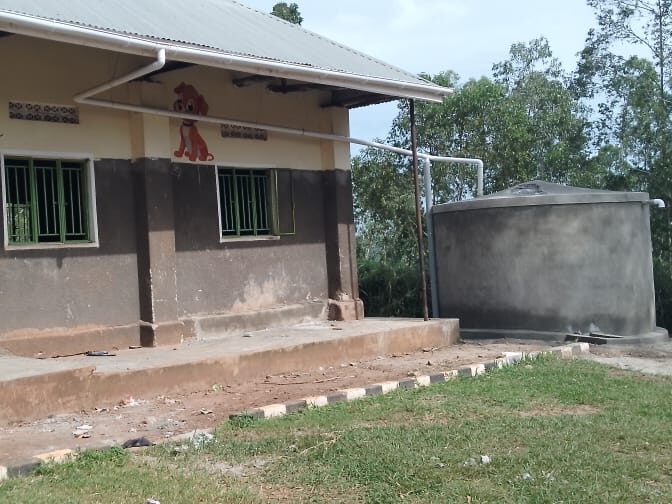
WaterHarvest is proud to be working with its partners in Rajasthan towards the UN’s Sustainable Goal 6 – ensuring clean water and sanitation for all by 2030 – by investing in creative solutions for water management and sustainability. In 2017-18, WaterHarvest helped build 35 taankas which capture monsoon rain, allowing 735,000 litres of rainwater to be harvested; we also worked with the local government to build 1,952 toilets. But there is still more to be done. This World Water Day, you can get involved by helping WaterHarvest in our crowdfunding campaign, which aims to raise over £3000 and provide drip irrigation systems to 18 farmers for life, thereby working towards breaking the cycle of poverty and ensuring that this basic human right is granted to everyone. This World Water Day, with your help, we can leave no-one behind.
This post was written by Robert Tucker on 22nd March 2019.